

3D Visualization: What It Is & Venue Use Cases
September 7, 2026
Case Study: Adding a Visual Layer to the MiLB Ticketing Journey
September 23, 2026Turning a New Stadium Project into a Usable Asset: 3D Digital Venue and the AIL Arena Development
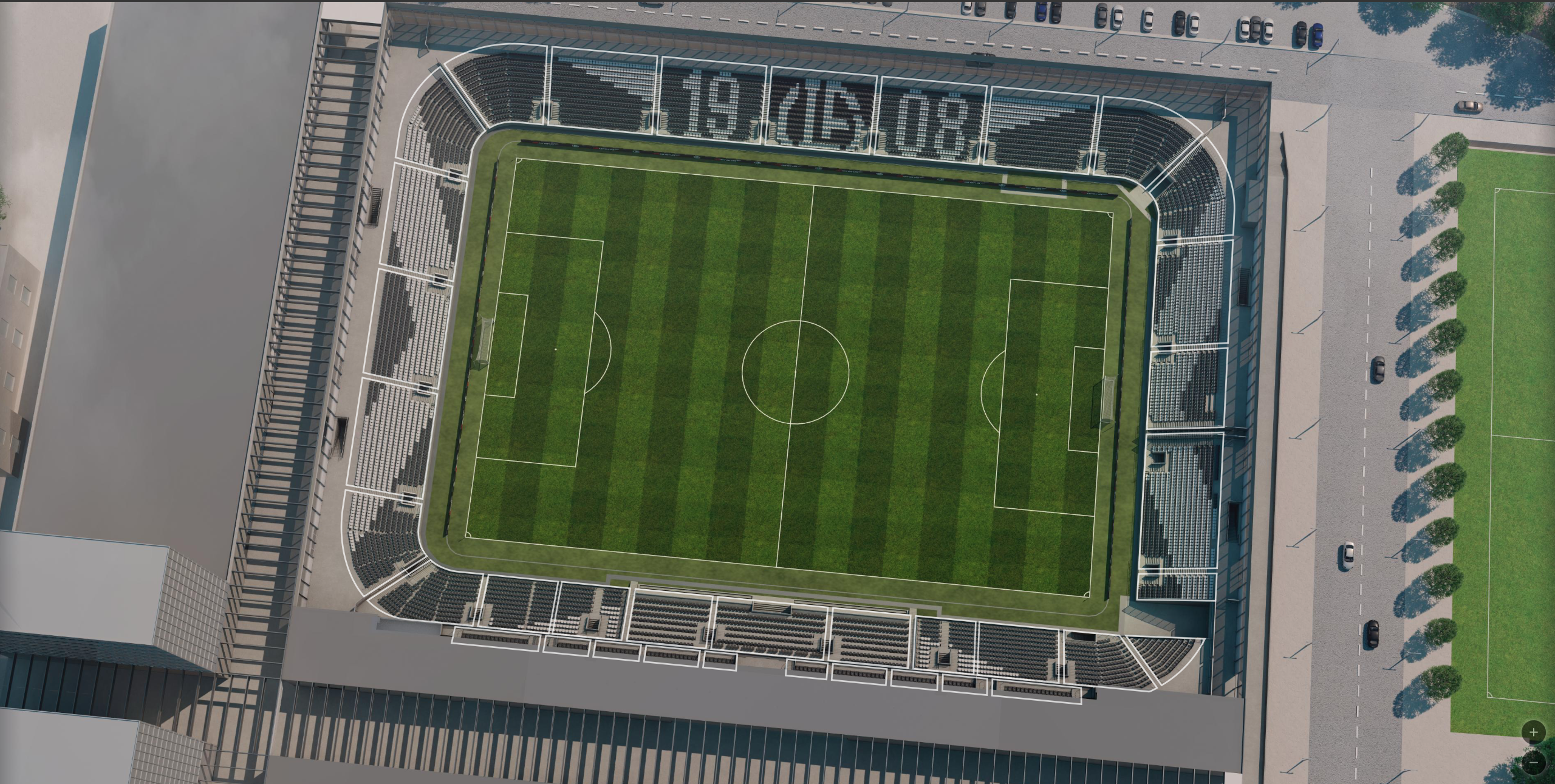
Scheduled to open for the 2026/2027 season, the AIL Arena has become FC Lugano’s new home. Replacing the historic Cornaredo Stadium, the new venue will be a UEFA Category 4 stadium with an 8,000-seat capacity, including a modern hybrid pitch, a high level of digital signage, state-of-the-art lighting, and a strong focus on premium hospitality experiences.
With sales activities starting well before construction completion, FC Lugano needed tools that could support commercial efforts while the project was still a work in progress.
Supporting a New Development Project from Day One
Working on a venue that does not yet physically exist requires a different approach. From the outset, 3D Digital Venue collaborated closely with architecture and design teams, aligning visual outputs with evolving plans and technical updates.
As the project progressed, assets were continuously refined to reflect the latest information available. This flexible workflow ensured that FC Lugano could confidently present the venue to partners and prospects, even as final details such as exact seating capacity were still being finalized.
“New development projects demand adaptability. Our role is to translate evolving architectural data into clear, usable assets that support business decisions at every stage,”
— Carlos Vega, Head of Product Excellence Team at 3D Digital Venue
Creating Sales-Driven Assets for Premium Hospitality
For FC Lugano, premium hospitality was a strategic priority. These spaces were set to be commercialized before the stadium’s opening, making visual storytelling essential.
3D Digital Venue developed a suite of assets designed specifically for revenue generation, including:
- Immersive 3D visuals of hospitality areas
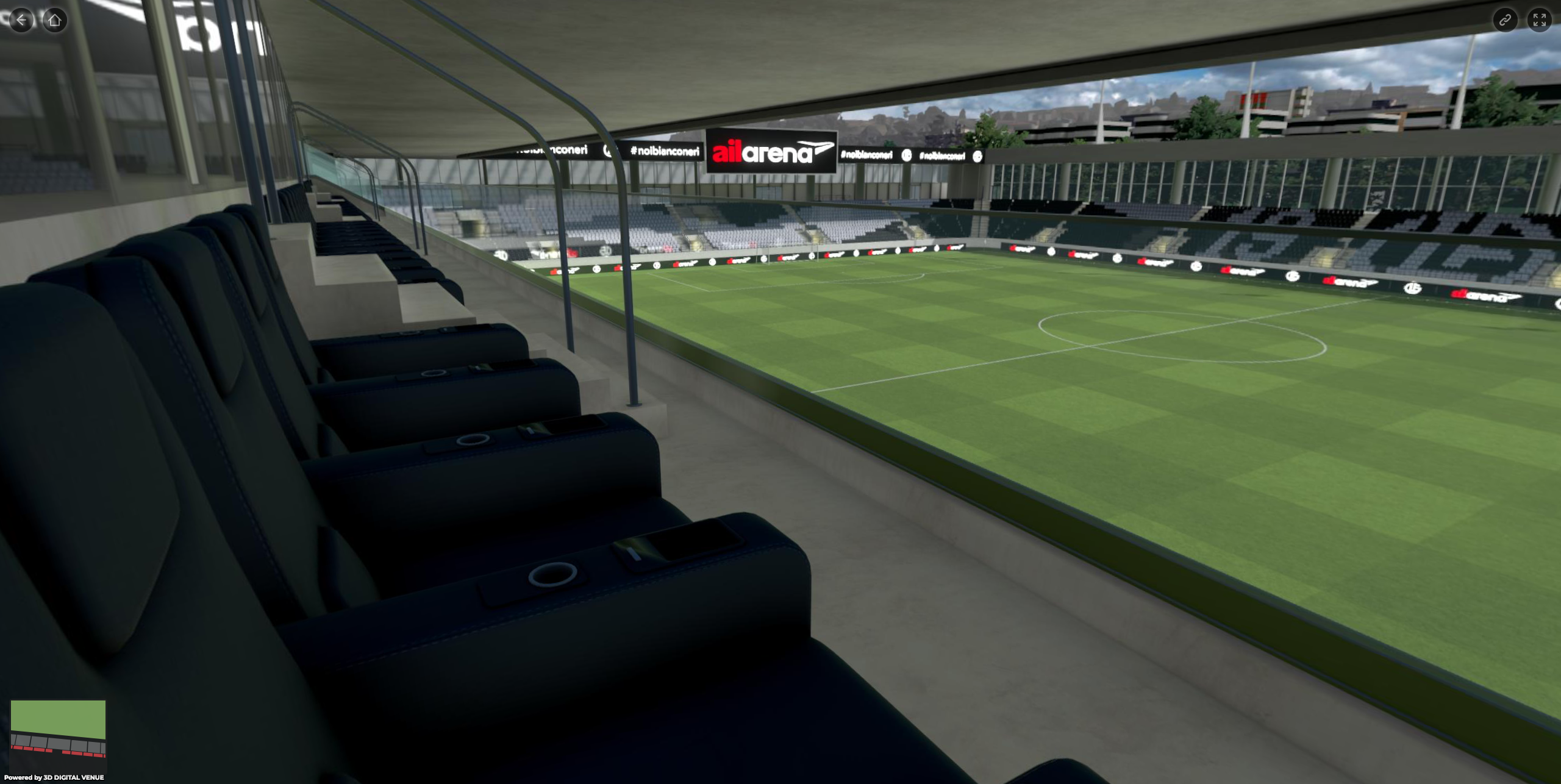
- Flythrough videos showcasing premium zones
- Walkthrough experiences tailored for the Experience Center
These assets allowed the revenue team to present the future AIL Arena with clarity and confidence, helping prospects understand layouts, sightlines, and the value of each hospitality offering.
“Thanks to 3D Digital Venue, we were able to present to our supporters a first glimpse of life inside AIL Arena before the stadium even existed. Combining our ambition with cutting-edge technology was key to bringing our vision to life and creating Switzerland’s most modern boutique stadium.
— Philippe Siffert, Project Owner AIL Arena at FC Lugano
Delivering What Matters, Even with Limited Information
One of the main challenges of this project was working with evolving data. Instead of waiting for final numbers, 3D Digital Venue focused on delivering what was essential for the client at that moment.
By prioritizing premium areas and sales-critical visuals, the project moved forward without delays, proving that early-stage assets can still be highly effective when designed with purpose.
Conclusion
The AIL Arena project demonstrates 3D Digital Venue’s ability to support new stadium developments from the earliest phases. Through close operational alignment, flexible workflows, and a strong focus on commercial outcomes, the collaboration delivered tangible results.
The impact was clear:
- Direct contribution to premium hospitality sales
- Strong alignment between design, sales, and commercial teams
- On-time delivery despite an evolving project scope
This partnership shows how 3D visual assets can drive revenue, support operations, and turn future venues into sellable experiences long before the first match is played.