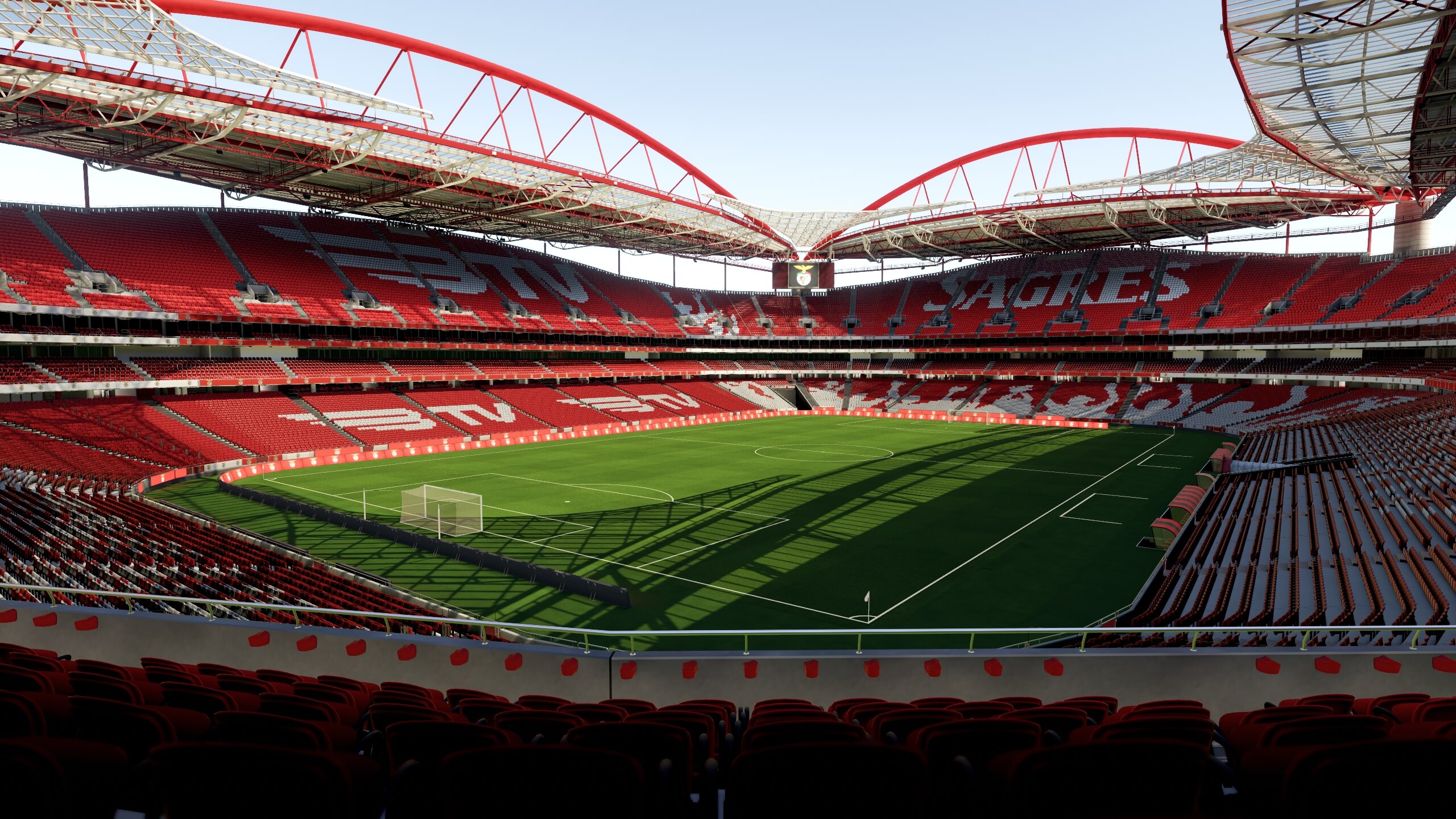

Traditional engagement tools, like seating charts and, static images, offer limited context. They communicate information but rarely generate emotional connection. In contrast, 3D venue maps allow fans to experience the venue virtually, transforming passive viewers into active participants.
Through realistic spatial visualization, fans can explore seating sections, understand sightlines, and orient themselves within the venue. This sense of familiarity reduces uncertainty and builds excitement, two key drivers of engagement.
When fans can virtually step into a venue, they form an emotional connection earlier in the decision-making process. Instead of imagining the experience abstractly, they see themselves inside it.
This emotional preview is especially powerful for:
As a result, fans are more invested before they ever arrive.
Higher engagement delivers measurable results. With immersive 3D maps, venues often see:
These outcomes are driven by clarity and immersion, not aggressive marketing.
Modern 3D mapping platforms can adapt to different fan segments. A casual attendee may focus on navigation and general layout, while a high-value buyer explores hospitality areas or exclusive views.
This adaptive engagement allows venues to communicate value differently without fragmenting the experience.
Solutions explored at https://3ddigitalvenue.com/
illustrate how interactive mapping environments can support both fan-facing engagement and internal sales strategies through a unified spatial layer.
In sports venues, fans are deeply invested in perspective. A 3D map showing seat elevation, angle to the field, and proximity to action directly influences emotional attachment to the purchase.
Beyond ticketing, these maps can support in-game upgrades and loyalty initiatives by visualizing alternative seating options in real time.
For concerts and theaters, engagement is tied to intimacy. 3D maps help fans understand how visibility and atmosphere vary across sections, aligning expectations with reality.
This alignment reduces dissatisfaction and strengthens long-term trust in the venue.
At concerts, engagement is about exploration. Fans use 3D maps to navigate and understand the stage, and optimize their experience. The result is less confusion and more enjoyment, both key factors in perceived event quality.
Fan engagement through 3D maps is not a one-off feature; it becomes a long-term asset when integrated into the venue’s digital ecosystem. Over time, engagement data can reveal:
This insight enables continuous optimization of both experience design and commercial strategy.
Organizations evaluating advanced engagement tools can benefit from exploring integrated venue mapping ecosystems like those outlined on https://3ddigitalvenue.com/
, where visualization, navigation, and sales intelligence converge.
It refers to the use of interactive, three-dimensional venue maps to help fans explore, understand, and emotionally connect with a live event space before and during an event.
They reduce uncertainty, provide spatial clarity, and allow fans to visualize their experience, which increases confidence, excitement, and satisfaction.
No. They also increase conversion, support upgrades, improve accessibility, and contribute to post-event engagement and loyalty.
Yes. Modern 3D mapping solutions are optimized for mobile, ensuring fans can engage seamlessly across devices.
Fan engagement through 3D maps represents a fundamental shift in how live event experiences are communicated and consumed. By replacing abstraction with immersion, venues create deeper emotional connections, clearer expectations, and more meaningful interactions across the entire fan journey. As live events continue to evolve, immersive spatial engagement is becoming a core pillar of audience experience and venue strategy.