

Multiple MLB Clubs, One Unified Fan Experience: How 3D Digital Venue Helped Standardize Ticketing Across the League
October 28, 2025
Fan Engagement Through 3D Maps: How Virtual Venues Redefine Live Event Experiences
February 24, 20263D Maps for Live Events: How Virtual 3D Experiences Transform Audience Engagement
Live events no longer start at the venue entrance. For today’s audiences, the experience begins the moment they consider attending. Finding the right seat, understanding sightlines, navigating complex venues, and feeling confident about the purchase all influence conversion and satisfaction. 3D maps for live events address this gap by turning traditional layouts into immersive, interactive environments that audiences can explore before, during, and even after an event. As venues compete for attention and loyalty, 3D mapping technologies have become strategic assets.
Understanding 3D Maps for Live Events
What Are 3D Maps in the Live Event Context?
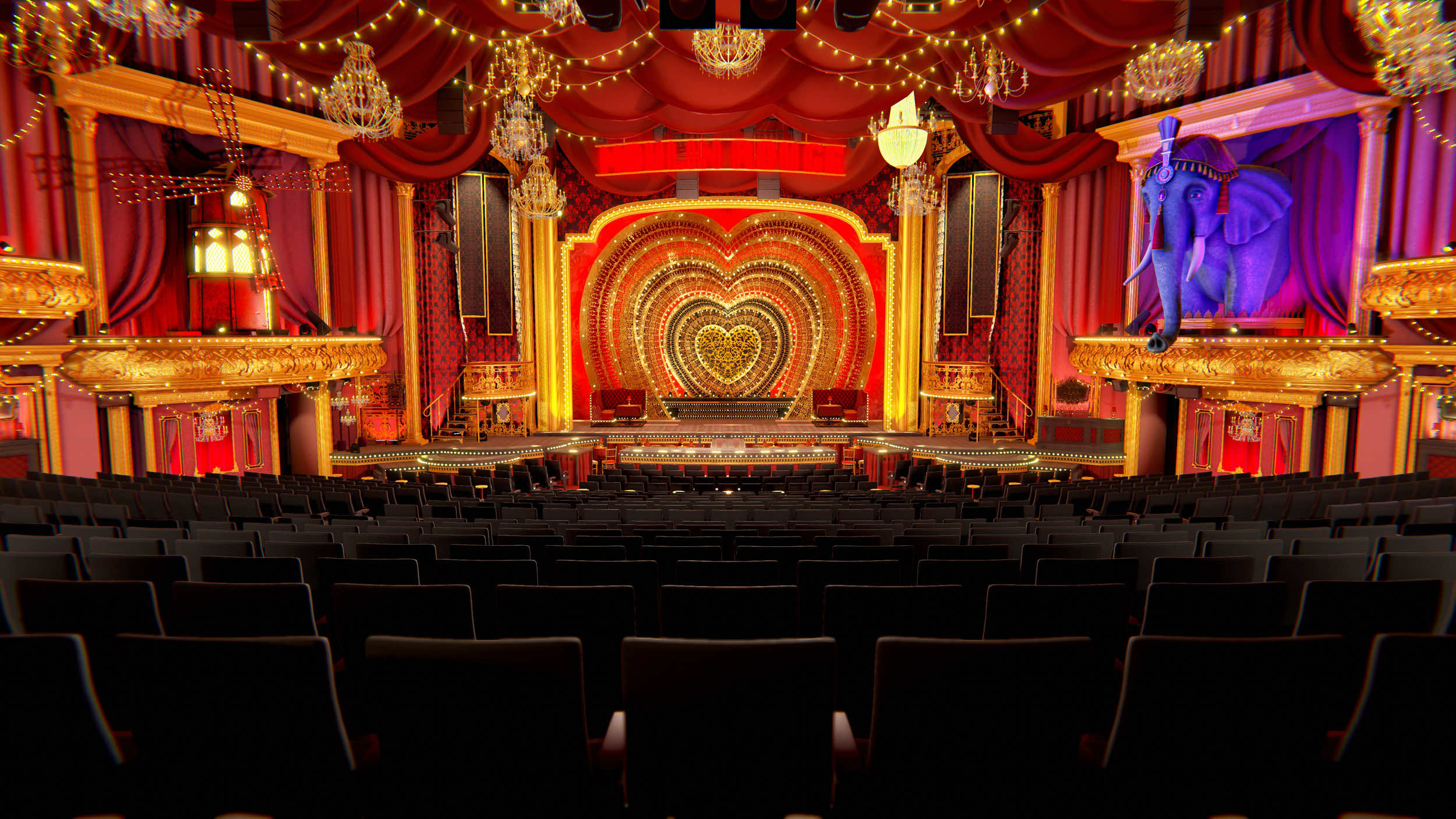
3D maps for live events are interactive, we based representations of venues that combine spatial accuracy with seating data. Unlike traditional seating charts, these maps often include:
- 3D venue models with realistic geometry
- Interactive seating visualization linked to availability and pricing
- Virtual event navigation that allows users to explore entrances, sections, and amenities
- Context-aware layers, such as VIP zones, hospitality areas, or accessibility routes
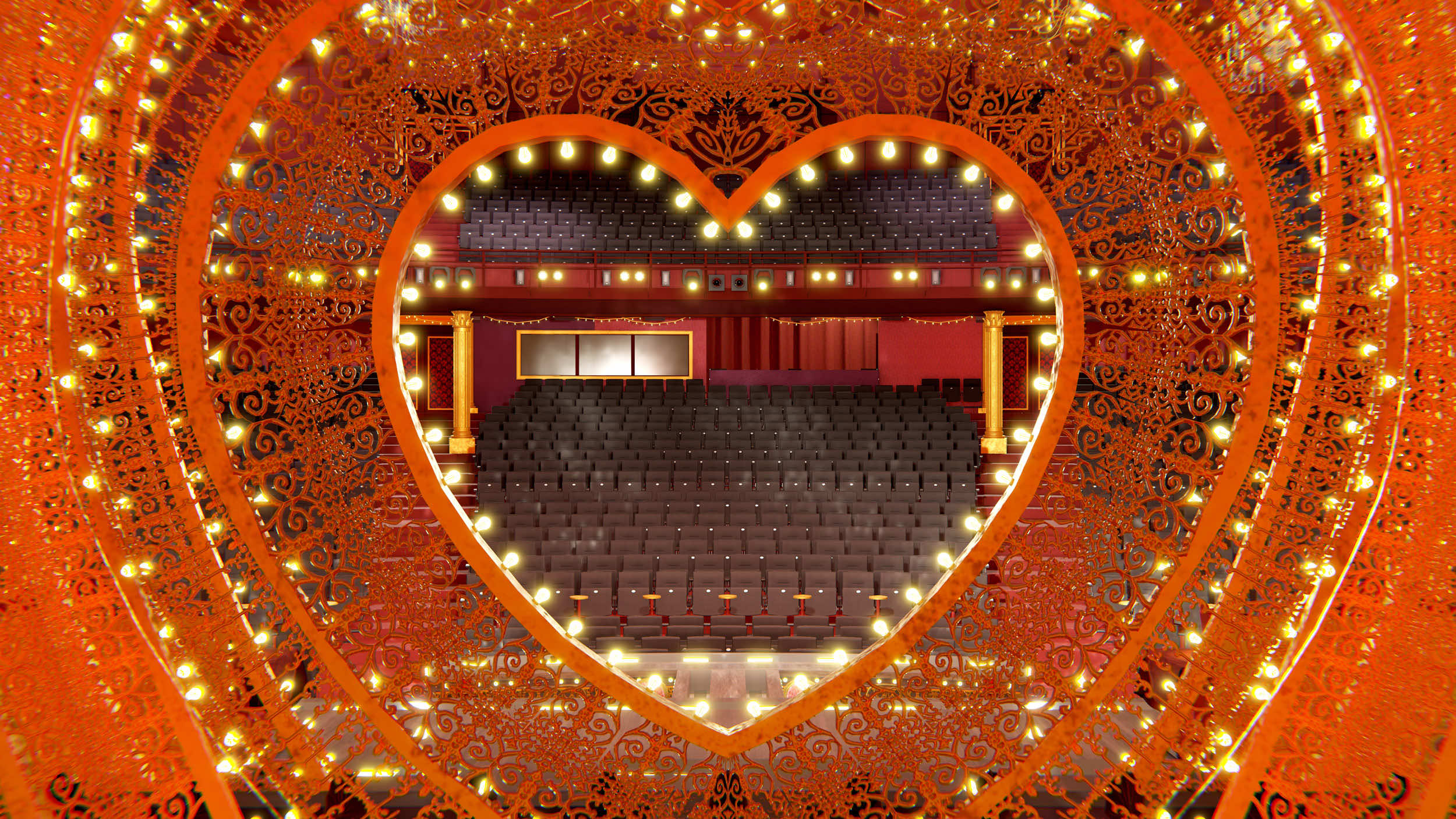
When extended into full virtual experiences, these maps allow fans to preview views from specific seats, understand venue layout intuitively, and navigate large or unfamiliar spaces with confidence.
Owned and operated by ATG Entertainment, a global leader in live entertainment with 71 venues across the UK, US, and Continental Europe, the Musical Dome Cologne stands among some of the most iconic stages worldwide.
Why Traditional Maps Are No Longer Enough
Traditional flat seating charts were designed to provide only a basic level of information about the venue, not user experience. They fail to communicate depth, distance, and perspective—three elements that strongly affect purchasing decisions. In contrast, interactive and 3D maps align with how users naturally explore digital environments, especially on mobile devices. For event organizers and venue operators, this shift is not cosmetic. It directly impacts ticket conversion rates, reduced refunds, and higher satisfaction scores.
The Role of Virtual Event Navigation
- Move freely through a venue layout
- Preview routes from entrance to seat
- Identify restrooms, concessions, or premium areas
- Understand crowd flow and proximity
This level of clarity reduces friction, particularly for first-time visitors or large-scale venues such as stadiums, arenas, and convention centers. lable in advance.
Strategic Value for Venues and Event Organizers
Improving Ticketing Performance and Revenue
One of the most measurable benefits of 3D maps for live events is improved ticket sales performance. When users can clearly see what they are buying, confidence increases. That confidence translates into higher conversion rates and fewer abandoned purchases.
Advanced 3D maps can also support:
- Dynamic pricing visualization, showing value differences between sections
- Premium seat highlighting, making upsell opportunities more intuitive
- Group and hospitality sales, where spatial context is critical
Many venues integrate these experiences directly into their ticketing flow or e-commerce platform, ensuring continuity from exploration to purchase.
Enhancing the Fan Experience Before Arrival
For fans, uncertainty is friction. Virtual 3D maps eliminate much of that uncertainty by allowing attendees to familiarize themselves with the venue in advance. This is especially valuable for:
- Large or multi-level venues
- First-time visitors
- International events with diverse audiences
By the time attendees arrive, they already know where to go, what to expect, and how to navigate the space. That sense of control improves overall event perception.
Commercial Use Cases
Beyond fan-facing experiences, 3D digital venue maps also support internal and commercial operations:
- Sales teams use them to present premium inventory to corporate clients
- Marketing teams leverage them for interactive campaigns and previews
In many cases, a single digital mapping system becomes a shared asset across departments.
Building Long-Term Venue Intelligence
When digital maps are connected to data layers—such as ticket sales, occupancy, or engagement metrics—they evolve into living digital twins of the venue. Over time, this enables better forecasting, smarter pricing strategies, and more informed investment decisions.
Platforms like those explored on the 3D Digital Venue site demonstrate how spatial data and visualization can converge into a strategic ecosystem rather than a standalone feature.

Applying Digital Maps Across Event Types
3D maps for live events are not limited to concerts or sports. Their application spans multiple industries:
- Sports venues: seat views, premium zones, in-game upgrades
- Concert halls and theaters: sightline accuracy and multipurpose layouts
- Conventions and trade shows: exhibitor mapping and attendee flow
When implemented correctly, these systems scale across event calendars and adapt to different layouts and configurations.
For organizations evaluating advanced mapping capabilities, exploring end-to-end solutions that combine 3D visualization, navigation, and sales integration can provide a clearer picture of what is possible. Resources available at https://3ddigitalvenue.com/
offer relevant context for understanding how these technologies are applied in real-world venue environments.
Frequently Asked Questions
How do 3D maps impact ticket sales?
They increase buyer confidence by showing accurate views and layout context, which reduces hesitation and improves conversion rates, especially for premium seating.
Are 3D maps only useful before the event?
No. They are also valuable during events for wayfinding or upselling and after events for planning, analytics, and future sales optimization.
Can 3D maps integrate with existing ticketing systems?
Yes. Modern 3D mapping platforms are designed to integrate with ticketing, CRM, and sales portals to create a seamless user experience.
Do 3D maps support accessibility features?
Well-designed systems include accessibility routes, ADA seating visualization, and clear navigation to support inclusive event experiences.
Conclusion:
3D maps for live events have become a foundational component of modern venue strategy. By combining immersive visualization with practical navigation and data integration, they improve fan confidence, increase revenue opportunities, and support smarter operations. As audience expectations continue to rise, venues that invest in virtual mapping experiences position themselves for stronger engagement and long-term competitiveness.