Logo 3DDV2Logo 3DDV2Logo 3DDV2Logo 3DDV2
  • Solutions Suite
    • Venue Mapping
      • / 2D Mapping
      • / 3D Mapping
      • / 3D Seat View Visualization
      • / VIP Hospitality Visualization
    • Sales Portals
      • / Premium Sales Portal
      • / Seat Management Portal
      • / Group Sales Portal
      • / In-Game Seat Upgrades
      • / Seating Data Viewer
      • / Immersive Ads
  • Clients & Venues
  • Partners
  • Resources
    • 3DDV Blog
    • Press & News
  • Company
    • About Us
    • Careers
  • Contact
Request a Demo
✕
The Digital Layer Every Stadium Development Needs from Day One
March 24, 2026
How a 3D Seating Chart Connects Revenue, Operations, and Fan Expectations
April 15, 2026
 

Designing Smarter Renovations: Why Every Stadium Needs a 3D Map

American sports is in the middle of a historic infrastructure moment. The Ravens, the Jaguars, the Panthers, the Bears, the Commanders — billions of dollars are moving into stadium renovations and new builds across every major league. And yet, the most consequential gap in most of these projects isn't in the steel or the concrete. It's in the digital layer. Renovation projects create a specific and underappreciated problem: the physical venue changes, but the tools teams use to sell, relocate, and communicate with fans stay the same. Blueprints. PDFs. Phone calls. Static renderings that go out of date the moment the architect makes a change. Venue mapping solutions built on accurate, interactive 3D data change that equation entirely.

The Renovation Gap That Costs Teams Real Money

When a stadium undergoes significant changes such as a new lower bowl, expanded premium clubs, reconfigured sections, or a full rebuild, several problems hit simultaneously:

  • Season ticket members don't know what their new seat looks like. Their view, their section, their sightline may have changed. Without a way to show them, uncertainty turns into calls, complaints, and cancellations.
  • Sales teams can't sell what they can't show. Premium suites and club seats represent the highest revenue per square foot in the building, but closing those deals without visualization requires a level of trust that most prospects don't extend.
  • Operations teams are making decisions on blueprints that change weekly. Pricing, configuration, hold management — all of it depends on spatial data that traditional tools can't keep current.

What Venue Mapping Solutions Actually Solve

The right venue mapping solutions don't just produce a pretty map. During a renovation or new build, they become the connective tissue between what the architect has designed and what the sales team needs to close deals today.

Specifically, they address four critical renovation challenges:

  1. Sightline clarity for displaced and new seat holders 2. Digital seat relocation for season ticket members 3. Early premium sales before construction is complete 4. Data-backed pricing decisions as the venue's value map shifts

Each of these is a revenue problem, not just a communication problem.


Sightline Analysis: Selling Confidence, Not Just Coordinates

A seat number means nothing to a fan who doesn't know what they'll see from it. During a renovation, this problem multiplies — existing members may be relocated to sections they've never sat in, and new buyers are choosing seats in a building they've never visited.

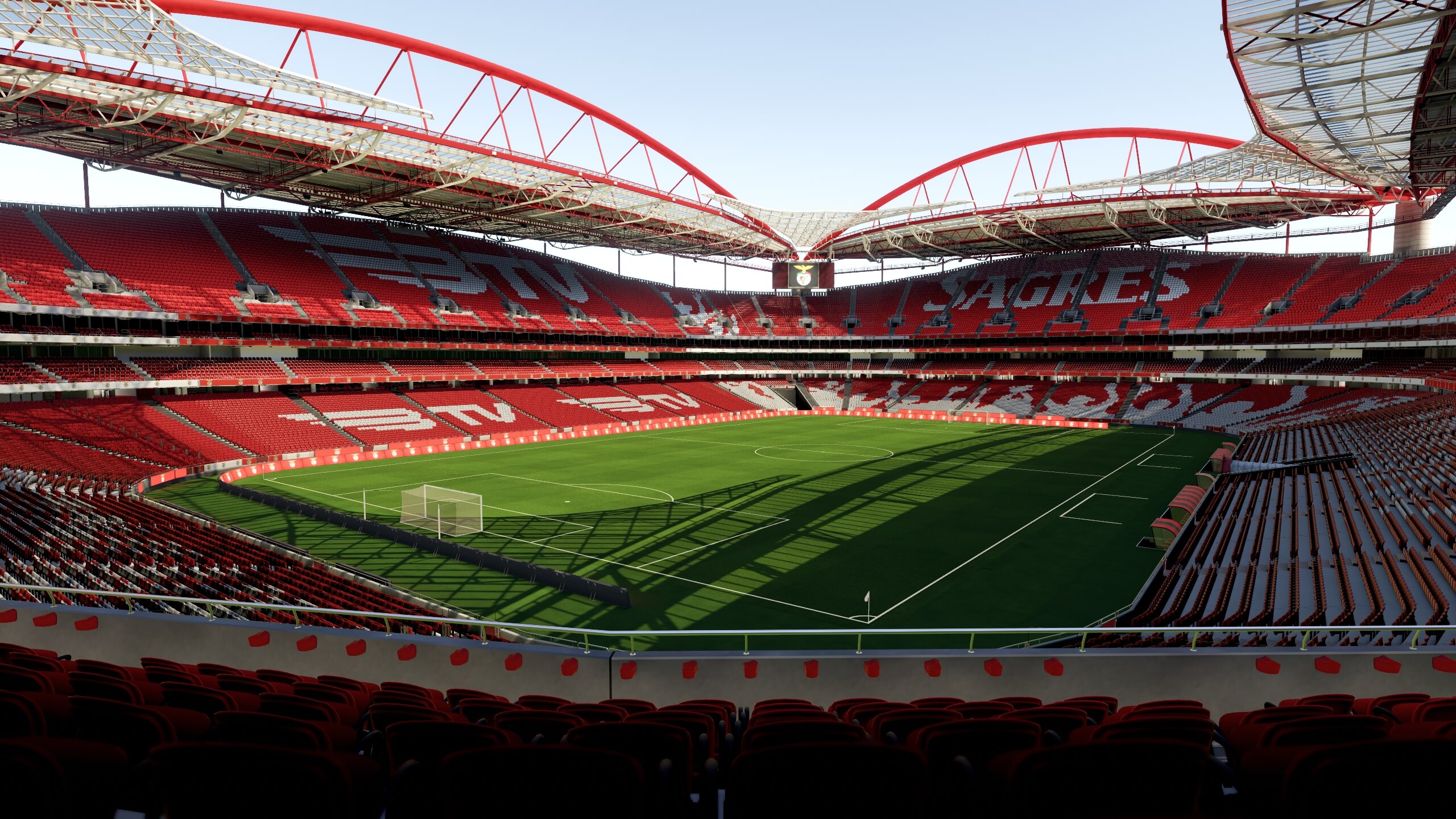
3D venue maps solve this at the seat level. Instead of a static diagram, fans get an interactive, true-to-scale model of the renovated venue; one they can navigate from the bowl overview down to the exact view from their specific seat.


Pair that with 3D Seat View visualization, and the question "what will I actually see from here?" gets answered before anyone picks up the phone. That clarity directly reduces buyer hesitation, refund requests, and post-purchase dissatisfaction: three friction points that renovation cycles amplify.

Seat Relocation at Scale: A Digital Problem That Needs a Digital Solution

Relocating season ticket members is one of the most sensitive moments in the fan relationship. Done poorly, it generates resentment that outlasts the renovation by years. Done well, it becomes an opportunity to upgrade loyalty and deepen commitment.

The problem is that most teams still handle relocation through call centers, static PDFs, and manual processes that don't scale. When hundreds or thousands of members need to be moved simultaneously, that approach breaks.

The Seat Management Portal turns relocation into a self-serve, digitally guided process. Season ticket members can view available options on a live map, compare sightlines, understand pricing differences, and complete their move without a single call to the box office. Ticketing teams get full visibility into who has moved, who hasn't, and what inventory remains.

This isn't just operationally cleaner. It's commercially smarter: members who choose their own relocation seat are more likely to renew it.


Selling Premium Before the Concrete Is Dry

The premium inventory window during a renovation is short, high-stakes, and frequently mismanaged. Suites, clubs, and hospitality spaces generate disproportionate revenue — but they're also the hardest to sell without a physical space to walk prospects through.

The answer is a digital twin venue that renders those spaces accurately before they exist. Interactive 3D walkthroughs and 360° virtual tours let prospects explore a suite's layout, sightlines, and amenities from a sales center, a laptop, or a mobile device — months before the space is ready to occupy.

Combined with the Premium Sales Portal, that visualization connects directly to live inventory, pricing, and package details. Prospects can explore, compare, and commit — or request a proposal — in a single flow, without waiting for a sales rep to walk them through a PDF.

The result: shorter sales cycles, higher close rates, and premium revenue that doesn't wait for a ribbon-cutting.

Proof: The Buffalo Bills and New Highmark Stadium

The Buffalo Bills are building New Highmark Stadium — a 60,000+ seat venue set to open for the 2026 NFL season. Selling premium inventory in a stadium that doesn't exist yet, to fans who've never seen it, is exactly the kind of challenge that traditional sales methods can't meet.

3D Digital Venue built a high-fidelity digital twin of the new stadium, which became the centerpiece of the Bills Stadium Experience — an appointment-only preview center where account executives walk season ticket members through every seat, suite, and premium club in the building.

The commercial outcome was direct and measurable.

"3D Digital Venue is a crucial asset for our Account Executives as they introduce Bills Season Ticket Members to the New Highmark Stadium. The detailed and immersive previews allow fans to virtually walk through suites, premium clubs, and every individual seat in the building, enabling them to make confident and informed decisions about their future gameday experience."

— Colin Cook, VP Sales & Marketing, Legends / New Highmark Stadium

Club seating is on track to sell out ahead of the original timeline. Not after the stadium opens. Before it does.


The Data Layer: Repricing a Stadium That's Changing

Renovation changes the value map of a stadium. Sections that were mid-tier may become premium once a new lower bowl is complete. Existing premium spaces may shift in desirability as new clubs open. Without data tied to the spatial model, pricing decisions during this period rely on instinct rather than evidence.

The Seating Data Viewer gives revenue teams a business intelligence layer embedded in the 3D model — inventory status, pricing tiers, availability, and hold management in one place. As the venue changes, the data layer changes with it.

That's the difference between reacting to a renovation and managing through one.

Frequently Asked Questions


What are venue mapping solutions for stadium renovations?

Venue mapping solutions are digital tools that create accurate, interactive representations of a venue's seating, sightlines, and spaces. During renovations, they allow teams to sell seats, manage relocations, and make pricing decisions based on the future state of the building — before construction is complete.

How do 3D venue maps help with seat relocation during renovations?

3D venue maps give season ticket members a visual, self-serve way to explore relocation options. Instead of calling a box office, members can compare available seats, view sightlines from each option, and complete their move digitally — reducing call volume and improving renewal rates.

Can premium suites be sold before a stadium renovation is finished?

Yes. With a digital twin of the venue and a connected premium sales portal, teams can offer interactive walkthroughs of suites and hospitality spaces before they're built. The Buffalo Bills sold club seating ahead of schedule using this approach for New Highmark Stadium.

How do 3D maps support pricing decisions during a stadium renovation?

As a venue's layout changes, its value map changes too. A seating data viewer embedded in the 3D model gives revenue teams real-time visibility into inventory, pricing tiers, and availability — so pricing decisions during renovation are based on data, not assumptions.

Conclusion

Renovation changes the value map of a stadium. Sections that were mid-tier may become premium once a new lower bowl is complete. Existing premium spaces may shift in desirability as new clubs open. Without data tied to the spatial model, pricing decisions during this period rely on instinct rather than evidence.

The Seating Data Viewer gives revenue teams a business intelligence layer embedded in the 3D model — inventory status, pricing tiers, availability, and hold management in one place. As the venue changes, the data layer changes with it.

That's the difference between reacting to a renovation and managing through one.

Ask for a demo and experience the power of 3D Digital Venue, today.

Request a demo

Legal Advice
Privacy Policy
Cookies Policy

3D Digital Venue (3DDV), part of Mobile Media Content. All rights reserved 2026.
Request a Demo